
Is Listening Enough?
29 June 2026The general theme of all these analyses into failed and turnaround businesses has been the importance of listening. Listening to what customers value about the business and, if necessary, what needs changing to recognise that value for both the customers and the business.
In truth, though, it is only step one. It’s one thing to just listen. It’s another thing to truly understand what your consumers are telling you, and to act appropriately. The businesses that do inevitably make up our success stories. Those that don’t… well, you’ll read about them here too.
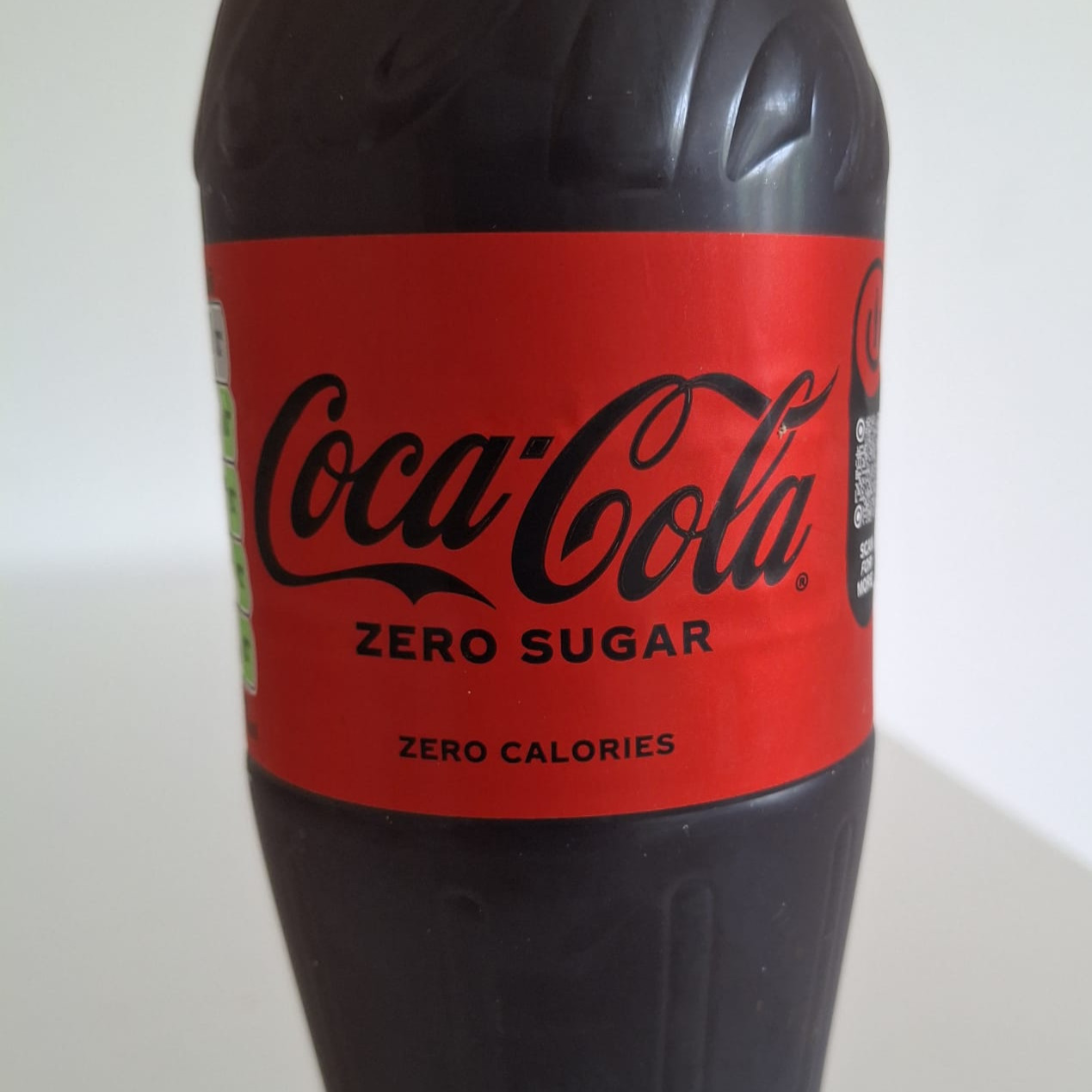
The Coca-Cola Company is the perfect example of a company that wanted to, and tried to listen, but ultimately failed to truly understand. To their credit, they asked again. Luckily for them, customers were willing to say it again, and louder.
Diet Coke is my fizzy pop of choice on any long road trip with my family (accompanied by varying varieties of crisp) or a long work commute. It’s reliable and trustworthy. For my road trip fizzy pop needs, it’s great, because it’s just as it has (nearly) always been.
By 1985, the company that had been the flagship creator of the cola category was growing lethargic and customer preference and loyalty was gradually dipping. Coca-Cola noticed this and set out to learn what people wanted from them.
As a result, they developed a new, invigorated formula. They took the time to listen, via taste tests, and found this was the preferred sip of the nearly 200,000 customers that tried it.
Confident they had found the answer, for the first time in 99 years, they changed the formula of their flagship product and launched what became known as New Coke.
It appeared like the perfect solution.
The problem was, customers weren’t just buying a can of coke. There was more to commitment to Coca-Cola than simply preference for the taste.
Customers were buying familiarity. For millions of people, Coca-Cola was a fixture in their lives.
The taste tests had measured preference, but they hadn’t measured attachment.
As a result, the backlash was immediate and intense. There were thousands of complaints and just 79 days after its launch, New Coke was scrapped and the company returned to the original formula. What appeared to be a straightforward product improvement was experienced by many customers as the removal of something they valued.
Coca-Cola listened extensively. Their mistake wasn’t a failure to gather feedback. It was a failure to fully understand what that feedback actually meant.
Customer feedback is evidence, not explanation. Coca-Cola needed to understand the experience behind the answer in order to find the real cause.
Luckily, Coca-Cola’s quick reversal not only brought back customers’ desired formula, it also helped strengthen the brand. Sales surged and customer loyalty grew more than ever. In trying to change the product, Coca-Cola had accidentally discovered just how much the original meant to people.
People may tell you what they like. Understanding what they value is a different challenge entirely.
That’s why listening is only the first step.
Success comes from more than just collecting customer opinions. It is important to work backwards from those opinions to understand the deeper experience, motivations and attachments driving them. Which is what we help you do at EmpowerPath; together, we’ll look beyond the symptom and search for the cause.
